
Department of History & Social Sciences
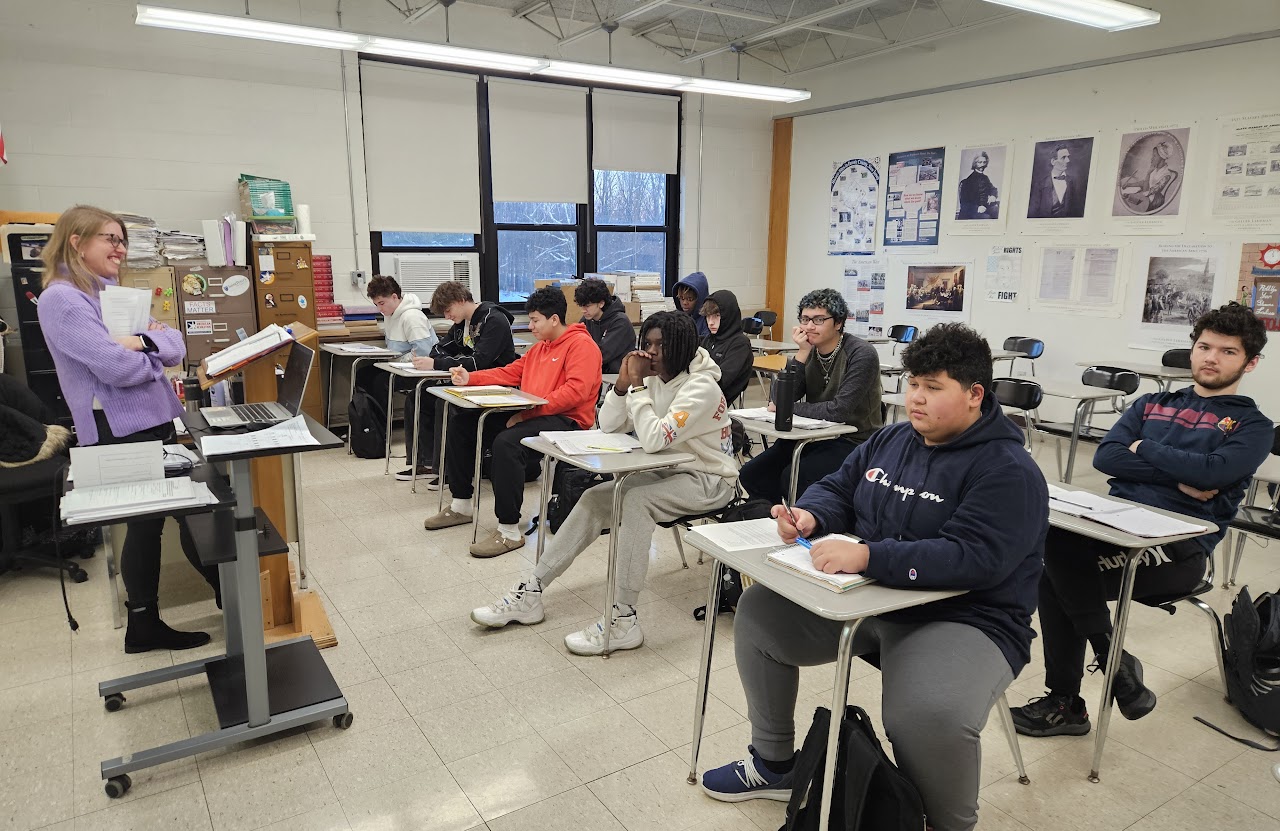
In grade 9, students transition to high school–level history courses that deepen their understanding of historical events, themes, and analytical skills. As they move through the program, students have opportunities to enroll in increasingly rigorous courses, including Honors and Advanced Placement offerings. In history classrooms, students develop skills in historical thinking, including reading and analyzing primary and secondary sources, writing evidence-based arguments, and engaging in discussion and debate. Students also gain a broader understanding of cultures, societies, and global connections as they examine the past and its impact on the present.
Required Courses
World History
US I History
US II History
AP Psychology
Grades 10 - 12
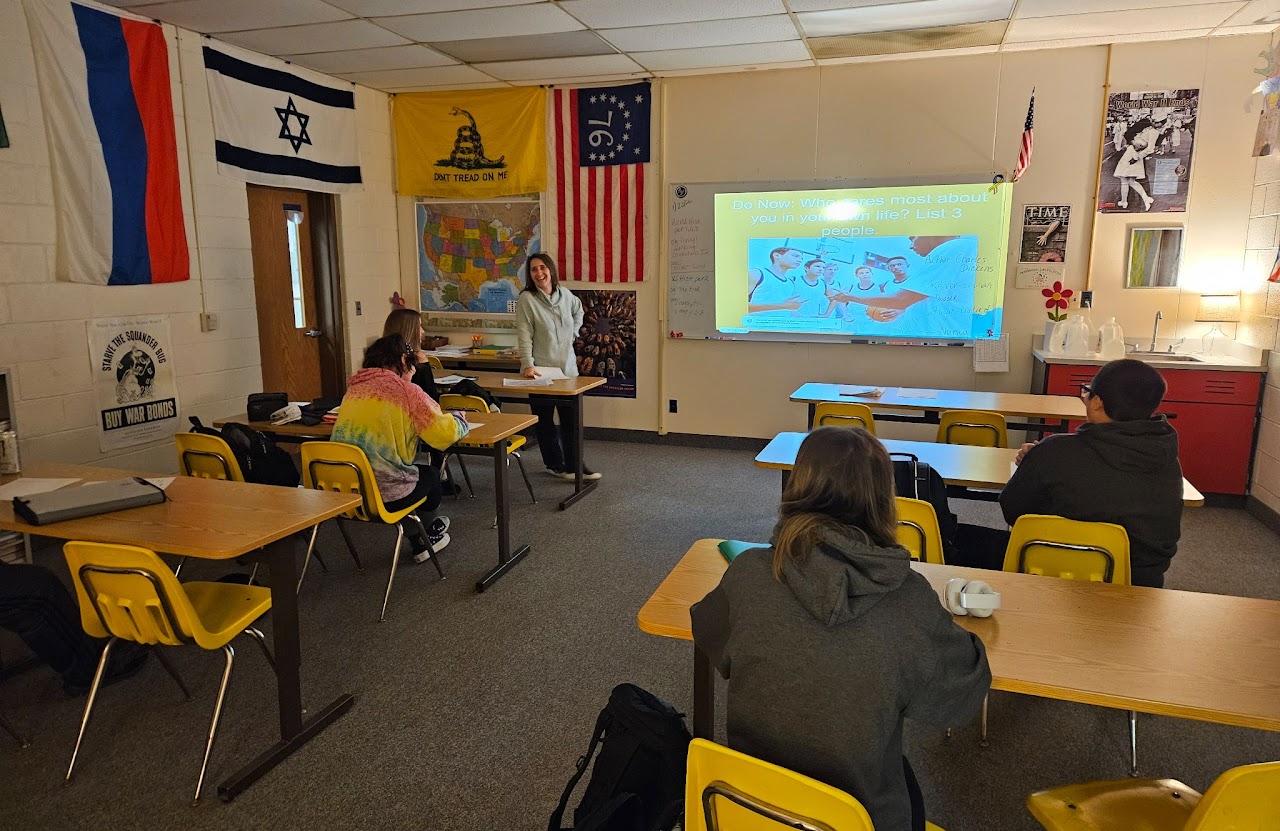
This course is designed to prepare students for the Advanced Placement Exam in Psychology. It is geared toward students with a strong academic background, an ability to work independently, excellent analytical reading comprehension, and advanced proficient writing skills. This course introduces students to the scientific study of human behavior and mental processes. Students will be exposed to the principles and phenomena associated with each of the major subfields within psychology. They will also learn about the methods psychologists use in their science and practice. All Advanced Placement courses are taught at the collegiate level. In order to be successful in this course, students must have advanced proficient literacy and critical thinking skills. It is the expectation that all students registered for this course will take the AP exam.
World & National Affairs
Grades 10-12
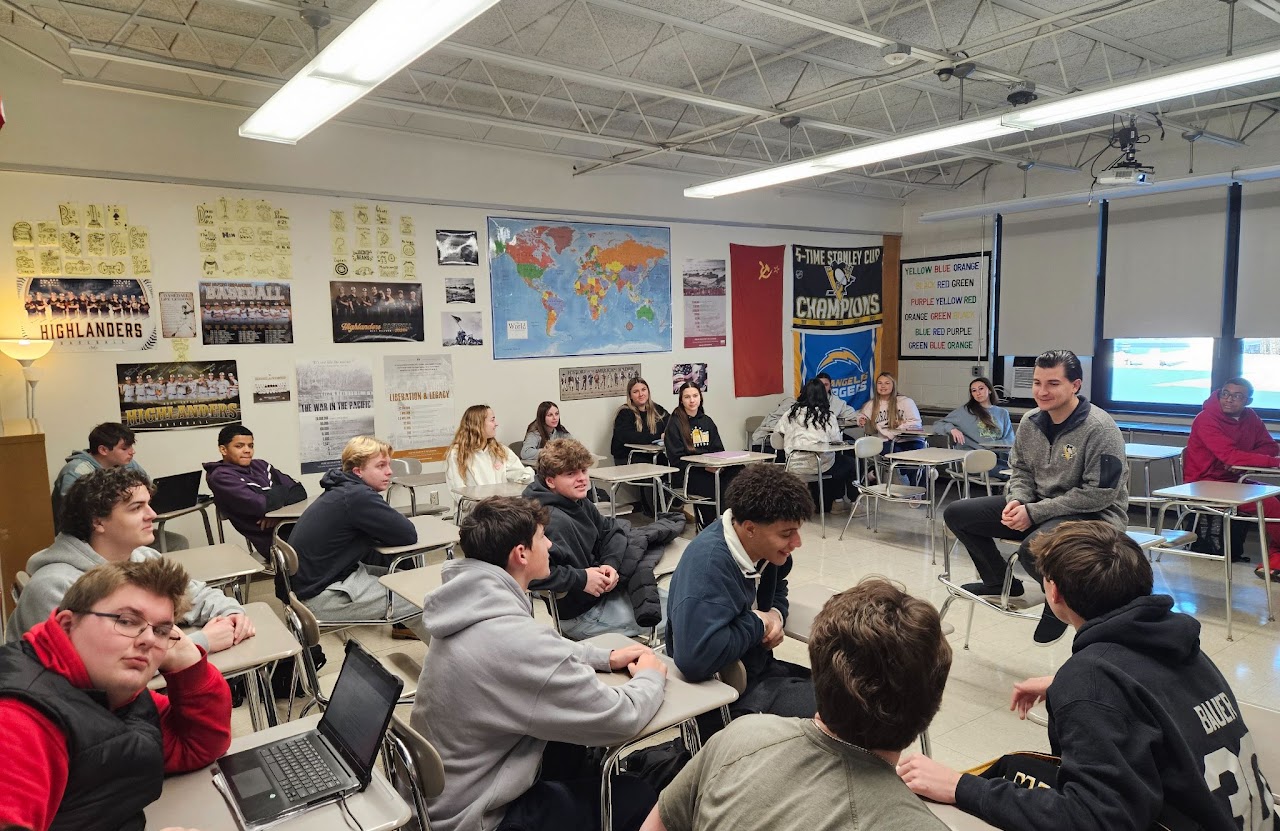
This course focuses on the contemporary world while examining the historical roots of modern issues and problems. Economic, social, political, military, and diplomatic conditions in both developed and developing countries are studied. The role of the United States in an increasingly interdependent and integrated global community is explored. The approach is selective and thematic, not encyclopedic, and extensively utilizes periodicals.
Grades 9 - 12
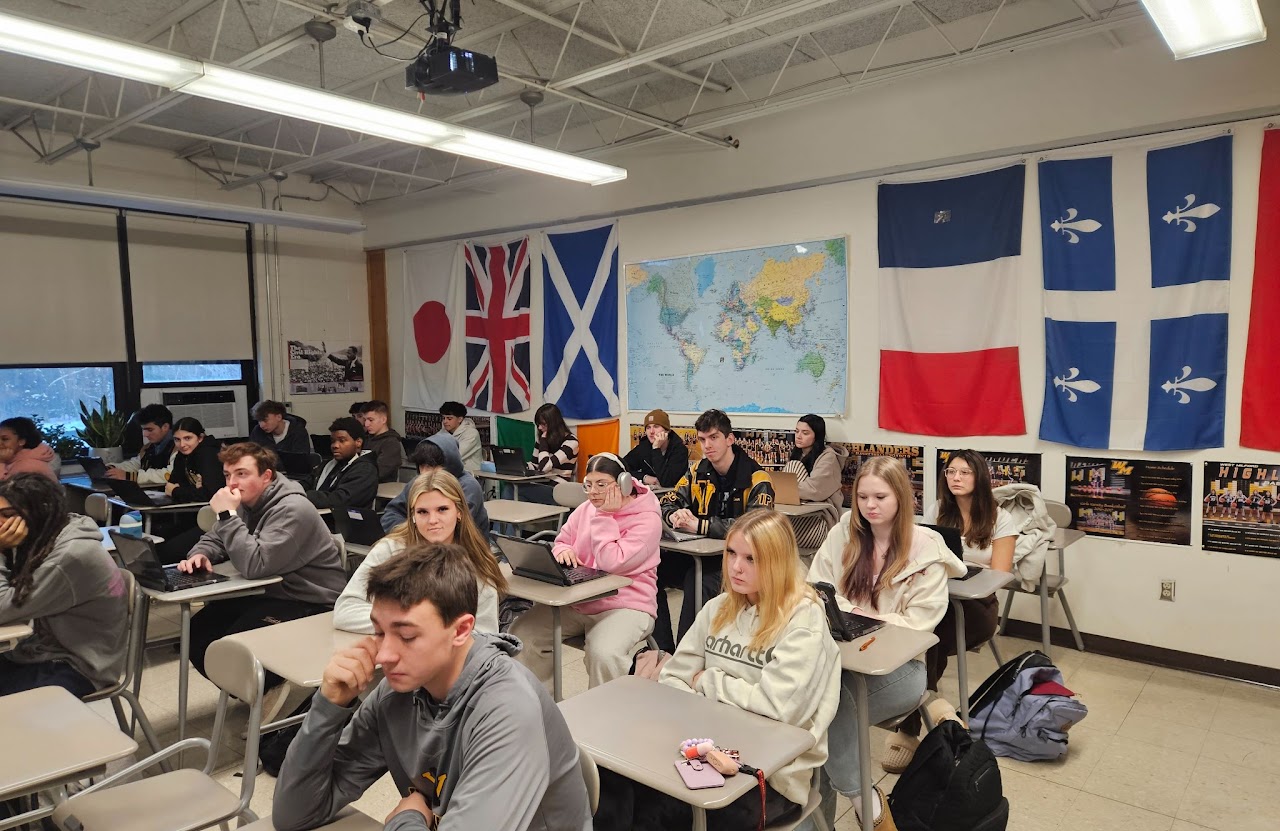
This course is designed to prepare students for the Advanced Placement Exam in World History. The AP World History course content is structured around the investigation of six historical periods of world history from approximately 8000 B.C.E. to the present both chronologically and thematically. It is geared to students with a strong academic background, an ability to work independently, excellent analytical reading comprehension and advanced-proficient writing skills. All Advanced courses are taught on the collegiate level.
Grades 9 - 12
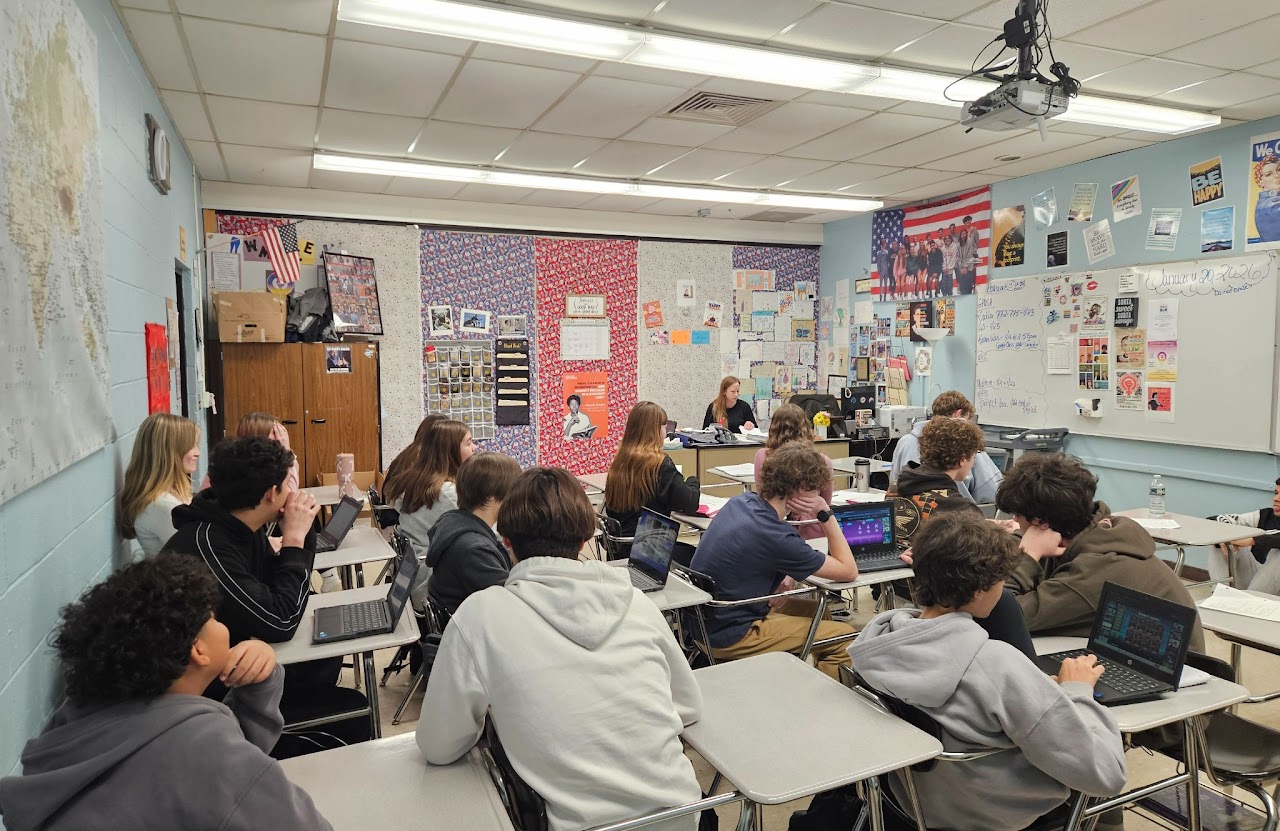
This course is designed to prepare students for the Advanced Placement Exam in United States Government and Politics. It is geared toward students with a strong academic background, an ability to work independently, excellent analytical reading comprehension and writing proficiency. The course focuses on an analytical perspective and provides students with a comprehensive understanding of government and politics in the United States. Students should be familiar with various institutions, groups, beliefs, and ideas that constitute U.S. politics. The interpretation of U.S. politics using general concepts and analysis of specific examples is emphasized. Students will read a variety of primary and secondary sources, and will write a series of essays, position papers, and research papers. All Advanced Placement courses are taught at the collegiate level. In order to be successful in this course, students must have advanced proficient literacy and critical thinking skills. It is the expectation that all students registered for this course will take the AP exam.
Grades 9 - 12
This course introduces the basic concepts, generalizations and methodologies of psychology, sociology and anthropology. This is a survey course designed to provide students with an overview of the underlying principles in the vast and diverse fields within the behavioral sciences. This is a college preparatory level course in which the content deals with both theoretical and mature matter. This elective is open to all students in grades 10-12. Due to the mature content of this course, students in grade 10 may take this course with parental approval and teacher recommendation.
Grades 9-12
This one-semester course is designed to acquaint students with major concepts and issues in civil, criminal and constitutional law. Topics such as judicial review, torts, juvenile rights and constitutional rights will be discussed. Lectures, discussions, role playing and court simulations will be among the instructional techniques employed during the course. Any student may wish to take this course.
Holocaust/Genocide Studies
Grades 10 - 12
This course will provide students with an introduction to Holocaust/Genocide studies. In addition to examining the historical foundations of various genocides, students will identify and analyze theories about human nature, understand that genocide is a consequence of prejudice and discrimination, study the moral dilemmas that humans have faced in the past and present, and investigate the attempts at resistance, intervention, and rescue. Acts of genocide around the world will be examined, including Germany, Armenia, Ireland, Ukraine, Cambodia, and America. Incidents of genocide in the present day will also be investigated. Students will be expected to read and analyze primary and secondary documents (including two books written by survivors) and actively participate in class discussions. Writing assignments and projects are also a major portion of the coursework. *This course is open to students in grades 11 and 12; students in grade 10 may take this course with parental approval and teacher recommendation.
SOCIAL JUSTICE: Learning From the Past, Empowering the Future
Grades 9-12
This course will hone in on topics such as race, ethnicity, multiculturalism, and the nature of prejudice, discrimination, stereotyping, bullying, and scapegoating. Additionally, issues of gender, class, disabilities, homophobia, and the minority experience in America will be examined and discussed. The goal will be that of understanding these issues through lenses that look to the past, examine the present, and focus on the future. How have racism, classism, sexism and prejudice created barriers to the realization of a more equal and just society throughout history? Why? Who has influenced change? How do we move forward? Students will explore and analyze social justice issues, learn how to recognize social injustice, understand the need to protect the dignity and rights of people, and propose positive action for social change.
Sociology
Grades 9-12
Sociology is an engaging, inquiry-based social science course designed to introduce high school students to the study of human society, social relationships, and social institutions. Through discussions, case studies, research projects, and analysis of real-world examples, students will explore how individuals and groups interact and how societies are organized and change over time.
In this course, students will examine core sociological concepts such as culture, socialization, social groups, inequality, race and ethnicity, gender, family structures, education, government, and the role of media. Students will analyze social data, evaluate contemporary social issues, and explore how social forces shape individual behavior and collective outcomes. Emphasis will be placed on developing critical thinking skills and understanding diverse perspectives within local, national, and global contexts.
By the end of the course, students will have a deeper understanding of how societies function and how social structures influence everyday life. This elective is ideal for students interested in social justice, psychology, history, law, public policy, or gaining insight into the social dynamics that shape the world around them.